This essay started with a conversation my wife and I had while on our way to Fredericksburg. Of all things, it was about why Postal Service mail trucks needed to be redesigned. Grumman Long life Vehicles, apparently that’s their official designation, were designed well before the age of Amazon.
Whenever the mail truck in our neighborhood passes by, it seems overflowing with boxes large and small, like an overstuffed sandwich. Eventually it sparked questions, questions we could not answer, like when did home mail delivery began. We’ve all heard of the pony express and that Ben Franklin as the first Postmaster General, but what about the nuts and bolts – the who, what, when, and where –of getting mail to our mailboxes. Why do mailboxes look like they do — black and cylindrical for the most part — and why are mail drop boxes blue?
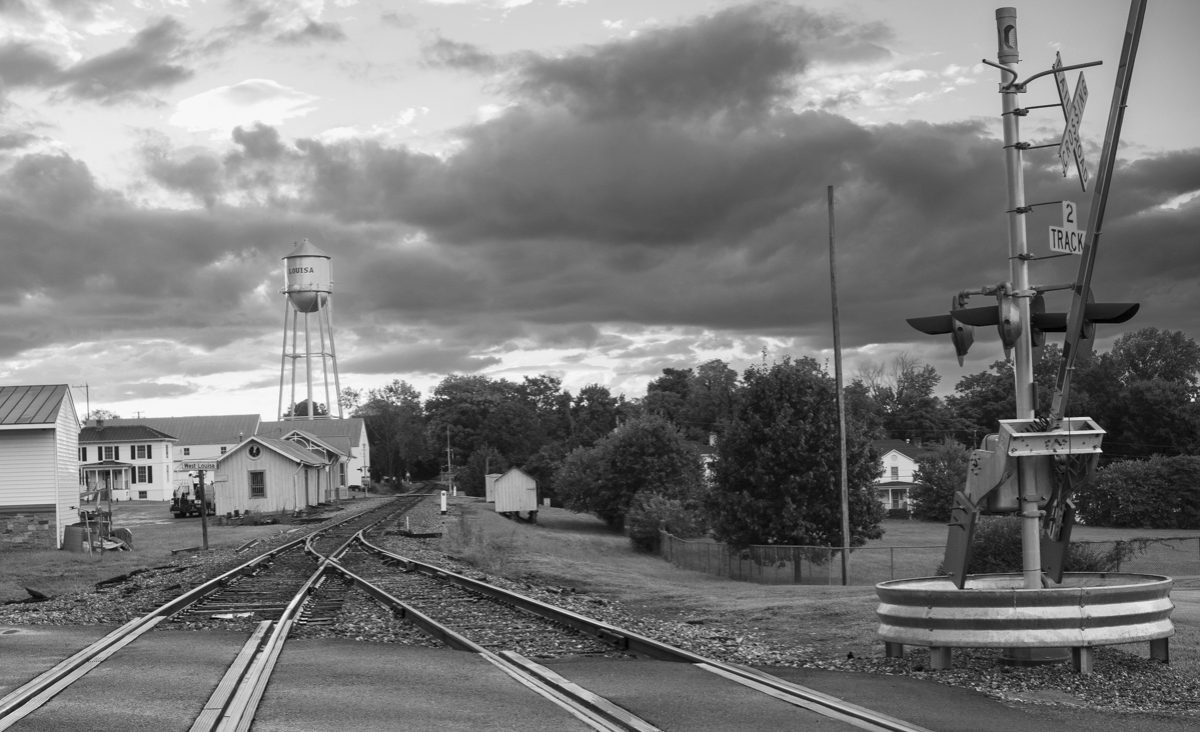
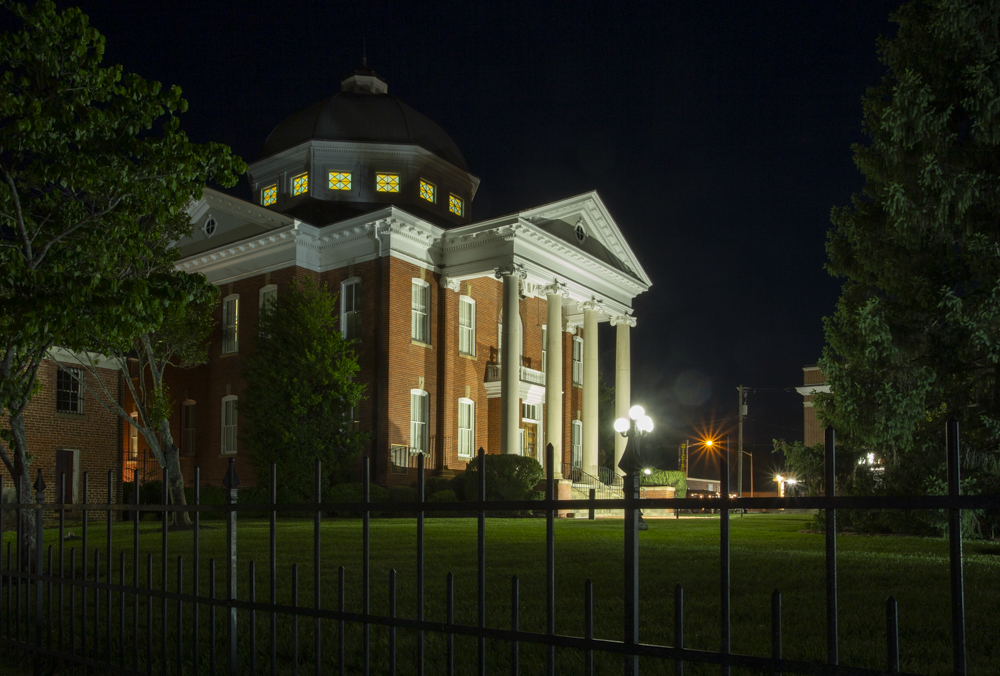
Very rural Louisa got its first post office in 1800. It was in a tavern and Inn owned by John Jouette, who in 1781 became Virginia’s Paul Revere when he rode 40 miles to warn members of the Virginia General Assembly and Governor Thomas Jefferson that a British raiding party was on its way to Charlottesville. In many instances in early America, taverns and inns served as focal points for local government business and ‘court days’ when circuit judges (hence the term circuit courts) came to town. It was also a time of drunken revelry it seems. Local militias also meet to drill on these dates. Hard cider, rum, whiskey, and politics, what could go wrong? The Louisa Courthouse, built on, over, or around the Tavern, served also as the post office later. This according to the town’s official history.
Free home delivery in urban areas began in the mid-1850s. It was not until 1896, however, that free rural delivery began. It had a fitful start in 1892, when Congress balked at the six-million-dollar price tag. Quite a sum in those days. In 1893, Congress appropriated $10,000 to “experiment” with rural delivery routes. The new Postmaster General, however, refused to act. Additional monies were appropriated by Congress for free delivery route experiments, but it was not until 1896 that Postmaster General William Wilson began experimental free rural delivery routes in his home state West Virginia. It was a success and spread rapidly to other states.
So successful that “free” was dropped in 1906. RFD as it was called, began in Louisa County on October 1, 1903. Yep, the postal service has a specific date for Louisa. The mail was delivered via horse and wagon for the most part and I wonder how many horses were employed in such tasks. According to one estimate, by 1906 there were about 700,000 miles of rural routes. The mail carriers also sold stamps, money orders, and registered mail. They were, according to the postal service, essentially “travelling post offices.”
What struck me about the history of free rural delivery is its progressive roots. Postmaster General John Wanamaker (1889-1893) when he proposed free rural mail routes in 1891 spoke about populist movements – such as the Farmers Alliance — that demanded mail delivery in rural areas: “I think the growth of the Farmer’s Alliance movement and other farmers’ movements in the past few years has been due to his hunger for something social as much as anything else.”
Wanamaker’s statement was an understatement. The Farmer’s Alliance and other farmers’ movements were very active politically and had been since the 1870s or so. They even ran a candidate for President in the 1890s following the Depression of 1893, the worst economic calamity the U.S. faced before the Great Depression. Their party platform included such things as free rural routes, government regulation of railroads and telegraph companies, silver as legal currency in addition to gold, rural electrification, income tax vice tariffs, low-interest government backed loans for farmers.
It never occurred to me that the free rural delivery was a result of late 19th century populist progressive politics. While the Farmer’s Alliance fractured and faded — as someone once said, third parties “are like bees, they sting once and then die,” their ideas did not. Many propositions on the platform were adopted by reform minded progressives of the early 20th century and became law. For instance, the Progressive Party Platform in 1912 called for the ‘extension of rural delivery routes,’ which resulted In1916 “Rural Post ‘Goods’ Road Act,” provided federal funds for rural post roads. Many of the roads we travel today in Louisa had their origins then. Additionally, legislation to create federal loan subsidies was also part of this progressive legislative spree in the early 20th century.
Now that ‘progressive’ has become a pejorative in conservative circles, for those farmers and denizens of rural America who want to Make America Great Again and eschew progressive ideals and legislation, go get your chain saw and cut down your progressive socialist mailbox. And stop driving on all those damn progressive rural mail roads.
Discover more from Bumpass Prose and Politics
Subscribe to get the latest posts sent to your email.
