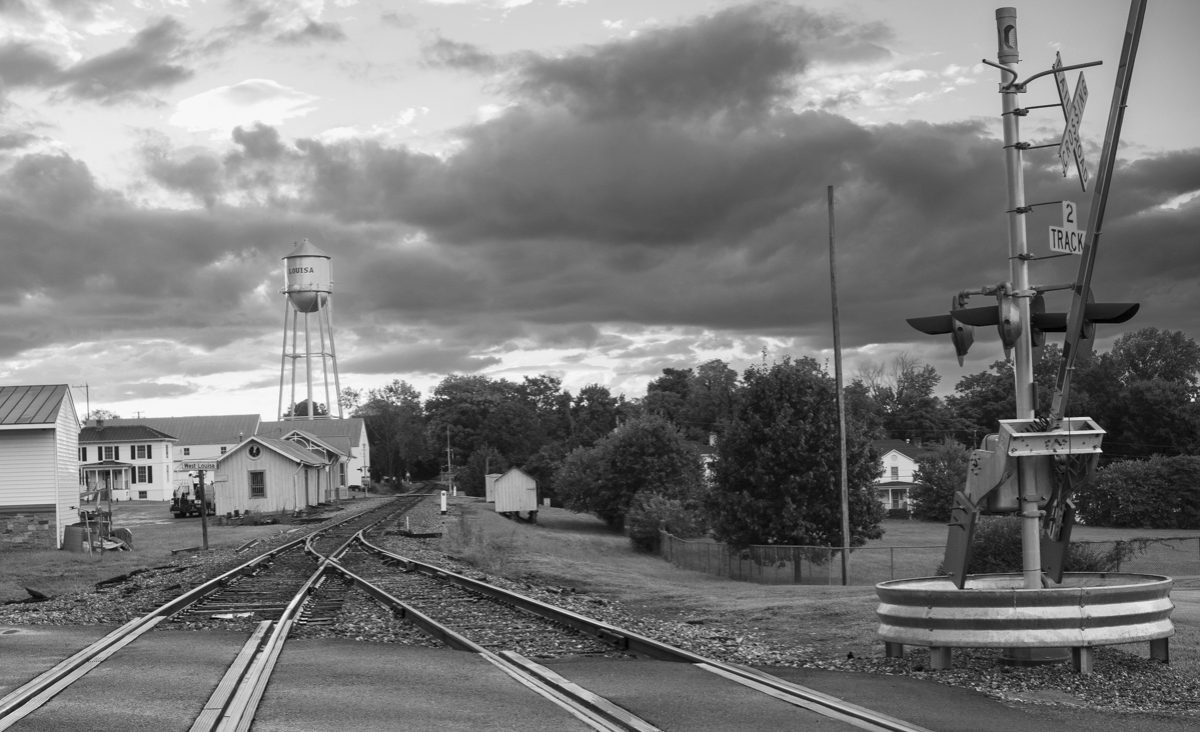
The Chairman of the Louisa County Board of Supervisors, and supervisor for the Mineral District, Duane Adams, will host a town hall meeting this Thursday at the Louisa High School regarding Amazon’s proposal to build a third datacenter in Louisa County. The town hall will be at 6:30 in the Alan Jackson Theater.
An initial public hearing regarding the proposal did not go well for Amazon as most attendees, it was reported, were opposed to the project.
Tammy Purcell’s excellent “Engage Louisa” blog explains in detail Amazon’s proposal, the Louisa County Board of Supervisors responses, the general mood of people attending the hearing. Her blog lays out the issues regarding water usage, power consumption, environmental impacts, and proposed revenue from property taxes.
After reading her recent blogs on the proposed datacenter, however, I have reservations and don’t think it in the best interest of Louisa to have a third data center for several reasons.
Amazon’s application for a ‘conditional use permit’ does not specify how much power the data center will require, nor does it specify how much water it will take from the Northeast Creek Reservoir daily. They are intimately related. Water consumption is based on the number of liters per kilowatt hour (l/KwH). Without hard numbers on power consumption, estimates of daily gallons of water consumed from the reservoir are meaningless speculation. Estimates range from 500k gallons per day to several millions. Given the record heat wave this past week, draws of 3 million gallons of water a day for weeks on end would drain the reservoir. What are the contingencies should that happen?
As for the power, where will it come from? Does Virginia, with already over 500 datacenters — the highest number in the U.S. — have the capacity to provide power to ever increasing numbers of datacenters? At a minimum, this lack of capacity will raise electricity costs for Louisa consumers, with perhaps hundreds of thousands of dollars in higher utility bills annually. Dominion Power has already proposed 15 percent increases, according to news sources, to power the surge in datacenters. What about emergency generators? How many and how often will they be tested?
In the absence of state wide generating capacity, will local gas-powered power stations be a proposed solution? In Pittsylvania County, Virginia, the citizens there recently defeated a proposal for a 3,500-megawatt gas powered power station for a 2200 acre datacenter campus. According to reporting by the Daily Yonder, “researchers from the Dominici Lab at Harvard University’s School of Public Health went to work mapping the plant’s expected emissions of a particularly dangerous pollutant called fine particulate matter. No level of exposure to this kind of pollutant is safe, yet the researchers found that more than 1.2 million residents would face some amount of pollution across the Virginia-North Carolina line.
In Pittsylvania County, around 17,500 people, or more than one in four county residents, would face levels of exposure associated with increased hospitalizations due to heart attack, pneumonia, cardiovascular issues, and in severe cases, stroke or cancer.”
Too many questions remain unaddressed for a decision to be made anytime soon. Overall, are we as a community willing to trade a few extra phantom dollars into the county’s coffers at the expense of our health, give up our precious water resources, accept unaffordable electric bills, roll over to more environmental degradation?
Who benefits from this cozy alliance between local boards of supervisors succumbing to the siren calls of phantom tax receipts and billion-dollar CEOs? Why the rush?
Datacenters’ are like the coal mines of the gilded age, extracting wealth from finite resources of local communities for the benefit of the new breed of robber barons in their Newport Mansions. Let’s stop, think, and reflect before we rush into approving this application.
Discover more from Bumpass Prose and Politics
Subscribe to get the latest posts sent to your email.
